Reactive dog behavior can be stressful and overwhelming for owners, especially when everyday walks turn into barking, lunging, or anxiety-filled experiences. The good news is that free reactive dog training methods can be highly effective when done consistently and correctly. Reactivity often comes from fear, frustration, or overstimulation—not bad behavior—and with the right approach, many dogs can learn to stay calm and focused.
Table of Contents
You don’t need expensive equipment or costly training programs to start making progress. By understanding your dog’s triggers and using proven, positive training techniques, you can build confidence and improve behavior at home. This guide will walk you through practical, no-cost strategies to help your reactive dog feel safer, calmer, and more in control in everyday situations.
What Is Reactive Dog Behavior?

Reactive dog behavior refers to an exaggerated emotional response to certain triggers, such as other dogs, people, noises, or unfamiliar environments. Instead of staying calm, a reactive dog may bark, lunge, growl, whine, or try to escape when faced with something that makes them feel scared, frustrated, or overstimulated. Reactivity is often rooted in fear or anxiety, though it can also come from excitement or lack of proper socialization.
Common signs of reactivity include stiff body posture, intense staring, raised hackles, rapid barking, and difficulty focusing on their owner. It’s important to understand that reactivity is not the same as aggression. While aggressive behavior is intended to harm, reactive behavior is usually a defensive or emotional response to a perceived threat or stressor. Recognizing these signals early helps owners respond with calm, structured training that supports the dog’s emotional needs and encourages safer, more controlled behavior.
Why Choose Free Reactive Dog Training Methods?

Free reactive dog training methods are a practical and accessible option for many dog owners who want to improve their pet’s behavior without the cost of professional programs. Effective training doesn’t always require expensive equipment or paid classes—what matters most is consistency, patience, and a solid understanding of your dog’s needs. Many proven techniques, such as positive reinforcement and gradual exposure, can be practiced at home using everyday resources.
Choosing free methods also empowers owners to become more involved in their dog’s learning process. By training regularly at home, you build stronger communication and trust with your dog. However, free training is best suited for mild to moderate reactivity and owners willing to invest time and effort. In severe cases involving safety risks, professional guidance may still be necessary. For many dogs, though, free training methods provide a strong foundation for long-term behavioral improvement.
Core Principles of Free Reactive Dog Training
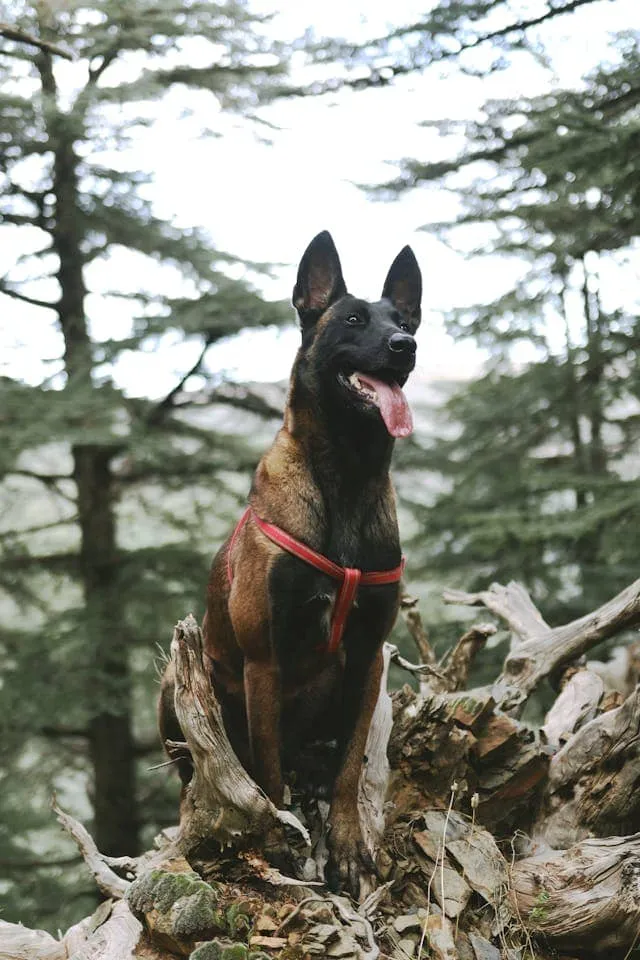
Successful free reactive dog training is built on a few essential principles that focus on understanding your dog and changing their emotional response to triggers. These foundations help ensure training is safe, effective, and sustainable over time.
Positive reinforcement is the cornerstone of reactive dog training. Rewarding calm behavior with treats, praise, or play encourages your dog to repeat those behaviors. Instead of punishing reactions, which can increase fear and anxiety, positive reinforcement teaches your dog that staying calm leads to good outcomes.
Another key principle is working below your dog’s threshold. This means training at a distance or intensity where your dog notices a trigger but can still remain calm and responsive. If your dog is already barking or lunging, they are over threshold and unable to learn effectively. Gradually decreasing distance over time helps build tolerance and confidence.
Timing and consistency are also critical. Rewards should be given immediately when your dog shows the desired behavior, so they clearly associate the action with the reward. Practicing short, regular sessions each day reinforces learning and prevents setbacks.
Finally, understanding canine body language allows you to recognize early signs of stress, such as lip licking, yawning, or turning away. Responding to these signals by creating space or redirecting attention prevents escalation and keeps training productive. Together, these principles form the backbone of any effective free reactive dog training plan.
Best Free Reactive Dog Training Techniques
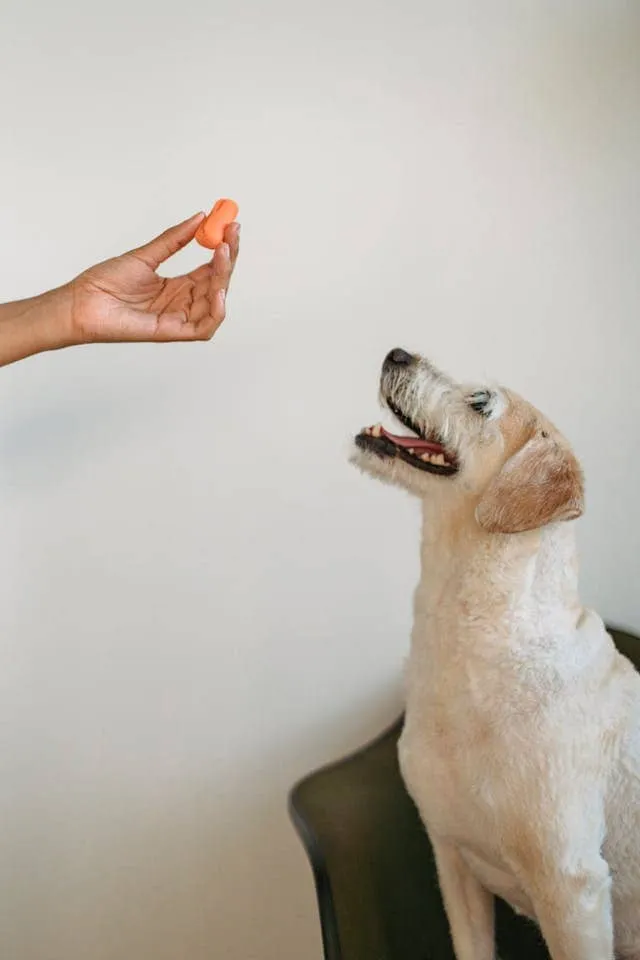
There are several effective free reactive dog training techniques that owners can practice at home to help their dogs stay calmer around triggers. These methods focus on changing your dog’s emotional response and teaching alternative behaviors without requiring expensive tools.
Desensitization and Counter-Conditioning
This technique involves gradually exposing your dog to a trigger at a safe distance while pairing the experience with something positive, like treats or praise. Start far enough away that your dog stays calm, then reward them for relaxed behavior. Over time, slowly decrease the distance as your dog becomes more comfortable. This process helps your dog associate triggers with positive outcomes instead of stress.
The Engage–Disengage Game
The engage–disengage game teaches your dog to notice a trigger and then calmly look back at you for guidance. When your dog sees a trigger and remains calm, mark the moment with praise or a treat. As they learn to shift their attention back to you, they develop better self-control and focus in distracting environments.
Focus and Attention Exercises
Simple commands like “watch me” or name recognition exercises strengthen your dog’s ability to focus on you instead of reacting to triggers. Practice these skills in low-distraction settings first, then gradually introduce mild distractions. Strong focus skills give you a reliable way to redirect your dog during stressful situations.
Controlled Distance Training
Managing distance is one of the easiest and most effective free tools. If your dog reacts strongly up close, increase the space between them and the trigger. Training at a comfortable distance allows your dog to stay under threshold and learn calmly. As progress is made, you can slowly reduce the distance.
Calm Exposure Walks
Structured, low-stress walks help reactive dogs practice staying relaxed in real-world settings. Choose quieter routes and reward calm behavior frequently. If a trigger appears, create distance and guide your dog away before they react. These controlled experiences build confidence and reinforce positive habits over time.
Free Tools and Resources for Reactive Dog Training

You don’t need expensive gear or paid programs to help a reactive dog improve. Many free tools and resources can support your training at home and in everyday situations.
📱 Everyday Items You Can Use
- Treats from home: Small, high-value treats such as pieces of chicken, cheese, or kibble work perfectly for reinforcing calm behavior.
- Clicker substitutes: If you don’t have a clicker, a consistent verbal marker like “Yes!” can signal the exact moment your dog does something right.
- Toy rewards: For dogs motivated by play, a favorite toy can be just as effective as food.
📺 Free Online Video Tutorials
There are many free videos from certified trainers that demonstrate reactive dog training techniques step by step. Look for channels that focus on positive reinforcement and science-based methods. (You can search on platforms like YouTube for terms like reactive dog training basics or desensitization and counter conditioning for reactive dogs.)
🌐 Online Guides and Articles
Blogs and training websites often publish free, expert-written guides on reactive dog behavior and training strategies. Many include diagrams, behavior explanations, and sample training plans.
📣 Community Support
- Dog training forums: Websites like Reddit (e.g., r/reactivedogs) and dog training forums offer support, encouragement, and shared experiences from other owners.
- Social media groups: Facebook and other platforms have free groups dedicated to reactive dog training where members share tips and celebrate progress.
📱 Free Apps and Tools
Some apps offer free features that help with training timing, session tracking, and behavior logging. These can help you stay consistent and measure progress over time.
Using these no-cost tools and resources alongside a thoughtful training plan can make a big difference in your reactive dog’s behavior—without spending a dime. If you’d like, I can recommend specific online videos or guides!
Step-by-Step Daily Training Plan

A simple daily routine helps reactive dogs learn faster and keeps training manageable for owners. This step-by-step plan focuses on short, consistent sessions that build skills without overwhelming your dog.
Step 1: Start With a Calm Warm-Up (5 minutes)
Begin in a quiet, low-distraction area at home. Practice basic focus exercises such as name recognition or the “watch me” command. Reward your dog for calm attention. This warm-up puts your dog in a learning mindset before facing any triggers.
Step 2: Controlled Exposure Training (5–10 minutes)
Move to an environment where triggers are present at a safe distance. Let your dog notice the trigger while staying below their reaction threshold. Use treats and praise to reward calm behavior and attention on you. If your dog becomes stressed, increase distance and reset.
Step 3: Short Break and Reset (2–3 minutes)
Give your dog time to relax with sniffing or quiet walking. Breaks prevent frustration and help your dog process what they’ve learned.
Step 4: Repeat With Focus Exercises (5 minutes)
End the session by reinforcing simple commands your dog can succeed at. Finishing on a positive note builds confidence and motivation.
Step 5: Cool-Down and Reflection
After training, allow your dog to rest. Take a moment to note what worked well and what needs adjustment. Tracking small improvements helps you stay patient and consistent.
How Often to Train
Aim for 1–2 short sessions daily, keeping total training time around 15–25 minutes. Consistent, low-stress practice is more effective than long, exhausting sessions. Over time, these daily routines build calmer responses and stronger focus in real-world situations.
Common Mistakes to Avoid in Reactive Dog Training

When working with a reactive dog, avoiding common mistakes is just as important as practicing the right techniques. Certain errors can slow progress or even make reactivity worse if repeated.
Using punishment-based methods is one of the biggest mistakes. Yelling, leash jerks, or harsh corrections may suppress behavior temporarily, but they often increase fear and anxiety. This can intensify your dog’s emotional response to triggers and damage trust.
Another frequent error is moving too fast. Exposing your dog to triggers at close range before they are ready can push them over threshold and reinforce reactive behavior. Progress should be gradual, with training always happening at a distance where your dog can stay calm and focused.
Ignoring early stress signals can also lead to setbacks. Subtle signs like lip licking, turning away, or tense body posture often appear before barking or lunging. Recognizing these cues allows you to step back and prevent escalation.
Many owners struggle with inconsistent training. Skipping sessions or changing rules from day to day confuses dogs and slows learning. Regular practice and clear expectations help your dog understand what behavior is being rewarded.
Finally, expecting instant results can lead to frustration. Reactive dog training takes time, patience, and repetition. Celebrating small improvements keeps motivation high and supports steady long-term progress.
When to Seek Professional Help

While free reactive dog training can be highly effective, there are situations where professional guidance is necessary to ensure safety and proper progress.
Severe or dangerous reactivity: If your dog shows aggressive behavior that could harm people, other dogs, or themselves—such as biting, snapping, or uncontrolled lunging—it’s time to consult a professional.
Lack of progress: If consistent training at home isn’t reducing reactivity after several weeks or months, a certified dog trainer or behaviorist can provide personalized guidance and advanced techniques.
Complex triggers: Some dogs have multiple or unpredictable triggers that make self-guided training difficult. A professional can create a structured plan tailored to your dog’s specific needs.
Owner stress or safety concerns: Training a reactive dog can be emotionally and physically challenging. Professionals can help you stay calm, confident, and safe while your dog learns.
Even with free training, combining your efforts with professional advice when necessary ensures your dog’s progress is effective, safe, and long-lasting.
Success Tips for Long-Term Improvement

Training a reactive dog is a journey, and consistent effort over time is key to lasting results. Here are strategies to maximize success:
Be patient and realistic. Reactivity rarely disappears overnight. Celebrate small victories, like a calmer response to a trigger or longer attention on you, and recognize that setbacks are normal.
Stay consistent. Daily practice, even in short sessions, reinforces learning. Use the same cues, rewards, and routines so your dog clearly understands what behavior is expected.
Build confidence gradually. Expose your dog to triggers in controlled ways, rewarding calm behavior and focus. Confidence reduces anxiety and makes your dog more resilient in real-world situations.
Maintain a calm environment. Dogs mirror our emotions. Staying relaxed and composed helps your dog feel safe and better able to learn. Avoid chaotic or high-stress training settings.
Keep learning and adapting. Every dog is unique. Track progress, note triggers, and adjust training strategies as needed. Utilize free resources, guides, and communities to stay informed and motivated.
By following these tips, you can create a supportive, structured environment that encourages your reactive dog to remain calm, focused, and confident over the long term.
Conclusion
Free reactive dog training offers an effective, accessible way to help your dog manage triggers, reduce stress, and build confidence—without spending a fortune. By understanding your dog’s behavior, using positive reinforcement, and practicing consistently with gradual exposure, you can create meaningful improvements over time. Remember to work below your dog’s threshold, celebrate small victories, and avoid common mistakes like punishment or rushing progress. With patience, dedication, and the right techniques, even highly reactive dogs can learn to stay calm, focused, and happier in everyday situations. Free training isn’t just cost-effective—it empowers you to strengthen your bond and support your dog’s long-term well-being.
FAQs
Can reactivity be trained out of a dog?
Reactivity can’t always be completely “trained out,” but it can be managed and reduced significantly with consistent, positive training and gradual exposure to triggers.
What is the best training for reactive dogs?
The best training focuses on positive reinforcement, desensitization, and counter-conditioning to help dogs stay calm and build confidence around triggers.
Can you train a dog to not be reactive?
Yes, dogs can learn to control their reactions through consistent training, focus exercises, and gradual exposure, though patience and repetition are essential.