Just like humans, dogs have different nutritional needs at every stage of life. From fast-growing puppies to active adult dogs and aging seniors, the right diet plays a critical role in supporting overall health, energy levels, and longevity. Feeding your dog food that matches their life stage helps ensure proper growth, strong immunity, healthy joints, and optimal digestion.
Table of Contents
Understanding dog food life stages makes it easier for pet owners to choose the best nutrition and avoid common feeding mistakes that can lead to obesity or nutrient deficiencies. In this guide, we’ll break down dog food life stages and explain how to select the right food for your dog at every age.
What Are Dog Food Life Stages?

Dog food life stages refer to specially formulated diets designed to meet a dog’s nutritional needs at different ages. As dogs grow and age, their bodies require varying levels of protein, fat, calories, vitamins, and minerals to stay healthy. Life-stage dog foods are created to support these changing needs, ensuring proper growth, maintenance, and aging support.
Most dog foods are categorized according to standards set by the Association of American Feed Control Officials (AAFCO). The main life stages include puppy (growth), adult (maintenance), and senior (aging). Puppy food supports rapid growth and development, adult dog food maintains energy and body condition, and senior dog food focuses on joint health, digestion, and overall vitality.
Some dog foods are labeled as “all life stages,” meaning they are formulated to meet the nutritional requirements of both puppies and adult dogs. While convenient, life-stage-specific dog food is often the best choice for addressing a dog’s unique needs at each phase of life.
Why Life-Stage–Specific Dog Food Matters
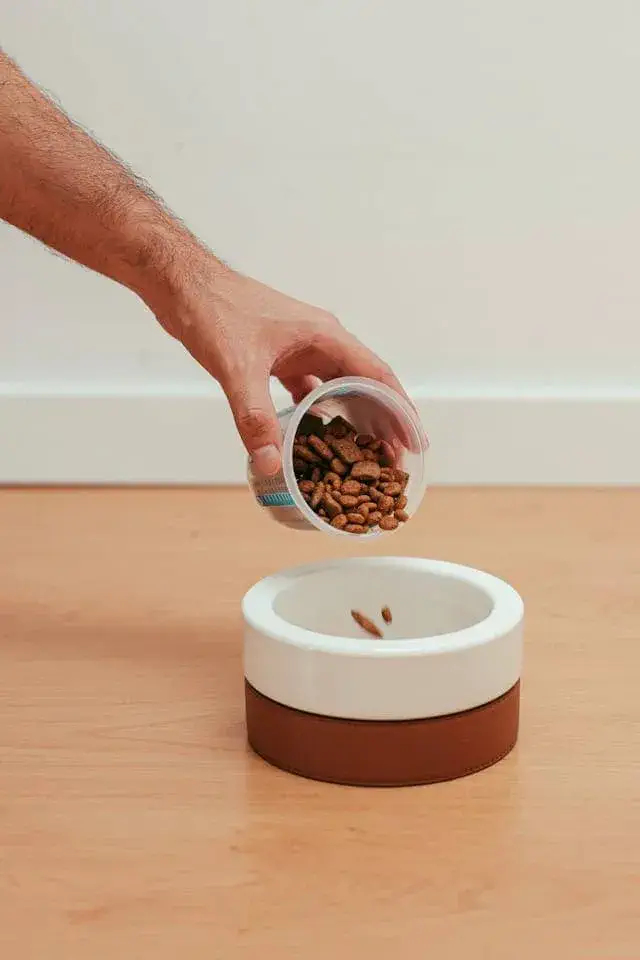
Life-stage–specific dog food matters because a dog’s nutritional needs change significantly as they grow, mature, and age. Puppies need higher levels of protein, fat, calories, and essential nutrients to support rapid growth, brain development, and strong bones. Feeding them adult dog food too early can lead to nutrient deficiencies and improper development.
Adult dogs require balanced nutrition to maintain energy, muscle mass, and a healthy weight. Without the right balance, dogs may become overweight or lack the nutrients needed for long-term health. Senior dogs, on the other hand, benefit from fewer calories, easier-to-digest ingredients, and added support for joints, immunity, and cognitive health.
Feeding the wrong food at the wrong life stage can contribute to obesity, digestive issues, joint problems, and weakened immunity. Choosing life-stage–specific dog food helps ensure your dog receives the right nutrients at the right time, promoting better health, improved quality of life, and longevity.
Dog Food Life Stages Explained

Dog food life stages are designed to match a dog’s nutritional needs as they grow and age. Each stage supports specific health requirements, from development and energy to maintenance and aging support.
Puppy Dog Food (Growth Stage)
Puppy food is formulated to support rapid growth and development. It contains higher levels of protein, fat, calories, calcium, and DHA to help build strong muscles, bones, and a healthy brain. Large-breed puppies often require specialized formulas to control growth and reduce the risk of joint problems.
Adult Dog Food (Maintenance Stage)
Adult dog food focuses on maintaining a healthy weight, muscle mass, and energy level. These formulas provide balanced nutrition without excess calories, helping active dogs stay energized and less active dogs avoid weight gain. Adult food is typically suitable once a dog reaches full physical maturity.
Senior Dog Food (Aging Stage)
Senior dog food is designed for older dogs with slower metabolisms and changing health needs. It usually contains fewer calories, added joint-support ingredients like glucosamine, and easily digestible proteins. Senior formulas help support mobility, digestion, immunity, and overall comfort in a dog’s later years.
Understanding these dog food life stages makes it easier to choose the right diet and support your dog’s health at every age.
Best Nutrients for Each Dog Life Stage

Dogs require different nutrients at each life stage to support healthy growth, daily energy needs, and graceful aging. Choosing dog food with the right nutrient balance helps prevent deficiencies and long-term health issues.
Puppy Life Stage
- High-quality protein for muscle and tissue development
- Healthy fats and DHA for brain and vision development
- Calcium and phosphorus for strong bones and teeth
- Vitamins and antioxidants to support a developing immune system
Adult Life Stage
- Balanced protein levels to maintain muscle mass
- Moderate fat and calories for sustained energy and weight control
- Omega-3 and Omega-6 fatty acids for healthy skin and coat
- Essential vitamins and minerals for overall wellness
Senior Life Stage
- Lower-calorie nutrition to prevent weight gain
- Easily digestible protein to maintain muscle without stressing digestion
- Joint-support nutrients like glucosamine and chondroitin
- Antioxidants and omega fatty acids to support immunity, brain function, and mobility
Providing the right nutrients at each dog life stage helps ensure better health, comfort, and longevity throughout your dog’s life.
All Life Stages Dog Food: Is It a Good Choice?
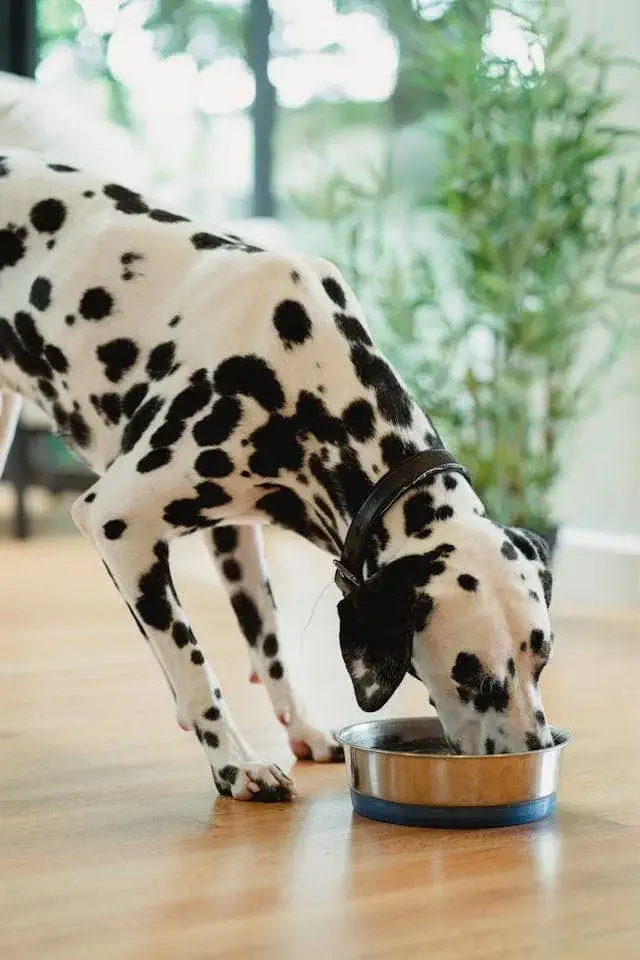
All life stages dog food is formulated to meet the nutritional requirements of dogs at multiple ages—typically from puppies through adults. Many pet owners choose these formulas for convenience, especially in multi-dog households with pets of different ages. However, whether it’s a good choice depends on your dog’s individual needs.
Pros of All Life Stages Dog Food
- ✅ Convenience: You don’t need to switch foods as your dog grows.
- ✅ Cost-effective: One bag can feed all dogs in the home.
- ✅ Nutritionally complete: Meets the broad minimum requirements for growth and maintenance.
Cons of All Life Stages Dog Food
- ⚠️ May be more calorie-dense: Since it must meet puppy growth needs, it can be higher in calories than an adult dog requires, risking weight gain in less active adults or seniors.
- ⚠️ Less targeted: It’s not specifically tailored to the unique needs of each life stage—such as joint support for seniors or extra DHA for puppies.
- ⚠️ Not ideal for all breeds: Large-breed puppies may require specialized lower-calorie growth formulas that all-life-stages food can’t provide.
Who It Works Best For
All life stages dog food can be a practical choice if:
- You have multiple dogs of different ages and want one food to feed them all.
- Your dogs are generally healthy and active without special dietary needs.
When to Choose Life-Stage-Specific Food Instead
If your dog has special health needs, is a rapidly growing puppy, a large-breed breed, or a senior with joint concerns, life-stage–specific food is usually better. It offers more precise nutrition for optimal health at that stage of life.
How to Choose the Right Dog Food for Your Dog’s Life Stage

Choosing the right dog food for your dog’s life stage is essential for supporting long-term health, energy, and overall well-being. Here are the key factors to consider when selecting the best option:
1. Consider Your Dog’s Age
- Puppies need growth formulas until they reach physical maturity.
- Adult dogs require maintenance food to sustain energy and a healthy weight.
- Senior dogs benefit from age-support formulas with fewer calories and added joint and immune support.
2. Factor in Breed and Size
- Small, medium, and large breeds mature at different rates.
- Large-breed puppies often need controlled calcium and calorie levels to support proper bone development.
3. Evaluate Activity Level
- Active or working dogs may need higher protein and fat.
- Less active or indoor dogs require calorie-controlled formulas to avoid weight gain.
4. Check Health Conditions
- Dogs with allergies, sensitive digestion, or joint issues may need specialized diets.
- Always consult a veterinarian if your dog has medical conditions.
5. Read the Dog Food Label
- Look for an AAFCO statement confirming the food meets the nutritional standards for your dog’s life stage.
- Choose real meat as the first ingredient and avoid unnecessary fillers.
By considering your dog’s age, size, lifestyle, and health needs, you can confidently choose the right dog food for every life stage and support a healthier, happier life.
Common Feeding Mistakes by Life Stage

Feeding mistakes often happen when a dog’s changing nutritional needs are overlooked. Avoiding these common errors can help prevent health problems and ensure your dog thrives at every life stage.
Puppy Feeding Mistakes
- Switching to adult food too early, which can limit proper growth
- Overfeeding, leading to rapid weight gain and joint issues
- Ignoring breed-specific needs, especially in large-breed puppies
Adult Dog Feeding Mistakes
- Feeding puppy food for too long, causing excess calorie intake
- Not adjusting portions based on activity level or lifestyle changes
- Relying too heavily on treats and table scraps, leading to obesity
Senior Dog Feeding Mistakes
- Continuing high-calorie adult food, resulting in weight gain
- Ignoring dental and digestive changes, making food harder to eat or digest
- Skipping joint and mobility support, such as omega fatty acids or glucosamine
Recognizing and correcting these feeding mistakes helps ensure your dog gets the right nutrition at the right time, supporting better health and a longer, more comfortable life.
Can One Dog Food Work for Every Life Stage?

Some dog foods are labeled as “all life stages” or “for all ages,” which means they are formulated to meet the minimum nutritional requirements for puppies, adults, and sometimes seniors. While this may seem convenient, it doesn’t always provide the optimal nutrition for every dog at every stage.
When It Might Work
- Multi-dog households with dogs of different ages
- Healthy adult dogs with no special dietary needs
- Owners who prefer the convenience of one food
Limitations
- Puppies may not get ideal growth support if the food is not enriched with extra protein, fat, and DHA.
- Senior dogs may miss out on joint-support nutrients or lower-calorie formulas, risking weight gain and mobility issues.
- Large-breed dogs may require specialized nutrition that all-life-stages food doesn’t provide.
Bottom line: While one dog food can technically meet basic nutritional requirements for multiple life stages, life-stage–specific food is usually the better choice to ensure your dog gets exactly what they need at each stage of life.
Conclusion

Feeding your dog according to their life stage is essential for their health, growth, and overall well-being. Puppies need nutrient-rich food to support rapid development, adult dogs require balanced nutrition to maintain energy and weight, and senior dogs benefit from formulas that support joints, digestion, and immunity. While all-life-stages dog food can be convenient, life-stage–specific diets are often the best choice for meeting your dog’s unique nutritional needs. By understanding your dog’s age, breed, activity level, and health requirements, you can select the right food to keep them healthy, active, and happy throughout every stage of life.
FAQs
What are the stages of dog food?
The main stages of dog food are puppy (growth), adult (maintenance), and senior (aging), each formulated to meet a dog’s specific nutritional needs at that stage of life.
What is the 7 7 7 rule for dogs?
The 7-7-7 rule for dogs is a guideline for puppies: meet 7 people, visit 7 places, and experience 7 new things to promote socialization and confidence.
What is all life stages dog food?
All Life Stages Dog Food is a type of dog food formulated to meet the minimum nutritional requirements for dogs of all ages—from puppies to adults, and sometimes seniors. It is designed to provide a balanced diet for multiple life stages, making it convenient for households with dogs of different ages.
However, while it meets basic nutritional needs, it may not provide optimal nutrition for specific life stages, such as extra growth support for puppies or joint support for senior dogs.