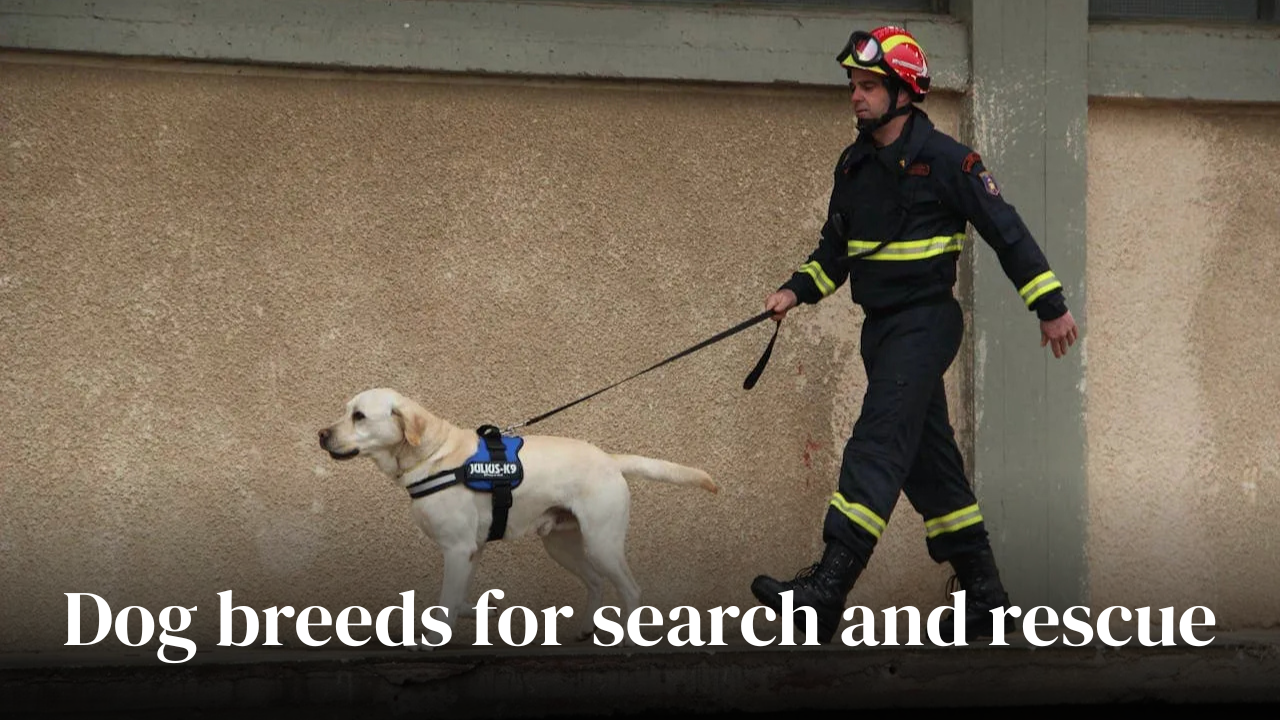
Search and rescue dogs play a vital role in saving lives during emergencies, natural disasters, and missing person cases. Known for their intelligence, exceptional scenting abilities, and unwavering dedication, these dogs work alongside trained handlers in some of the most challenging environments. Choosing the right dog breeds for search and rescue is essential, as not every breed has the physical endurance, focus, and temperament required for this demanding work. In this article, we’ll explore the best dog breeds for search and rescue, the traits that make them successful, and how proper training transforms them into lifesaving heroes.
Table of Contents
What Is Search and Rescue Dog Work?
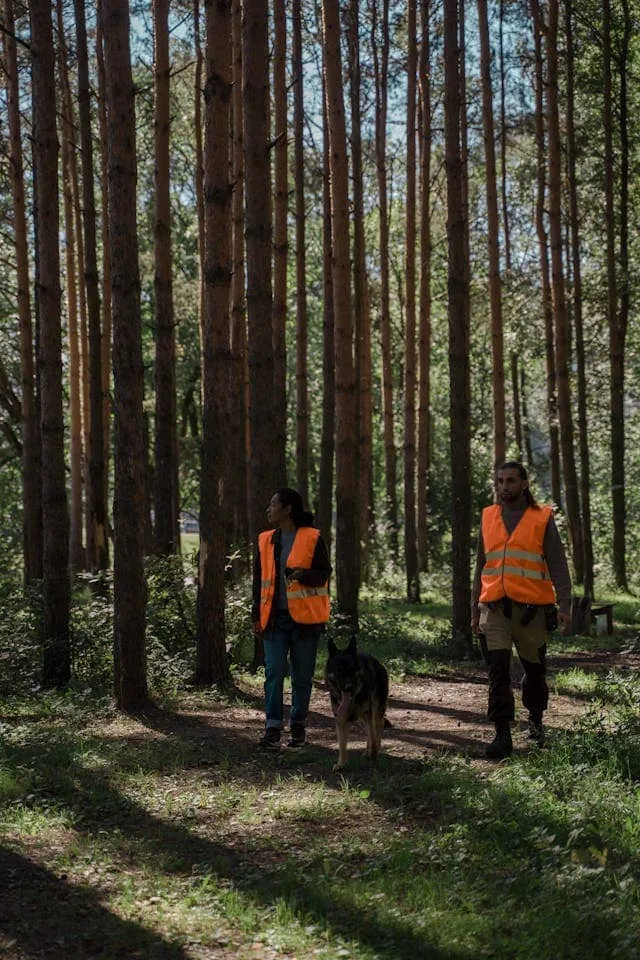
Search and rescue (SAR) dog work involves highly trained dogs assisting human teams in locating missing, injured, or trapped individuals. These dogs use their powerful sense of smell, intelligence, and agility to search areas that may be unsafe or difficult for humans to access. Search and rescue dogs are commonly deployed during natural disasters, wilderness searches, urban collapses, and emergency situations where time is critical.
There are several types of search and rescue dog work, including wilderness search, urban disaster search, avalanche rescue, water search, and human remains detection. Each role requires specialized training and conditioning, but all SAR dogs share a strong work drive, obedience, and the ability to perform under pressure. Regardless of the environment, search and rescue dogs are invaluable assets in emergency response, often making the difference between life and death.
Key Traits of the Best Search and Rescue Dogs
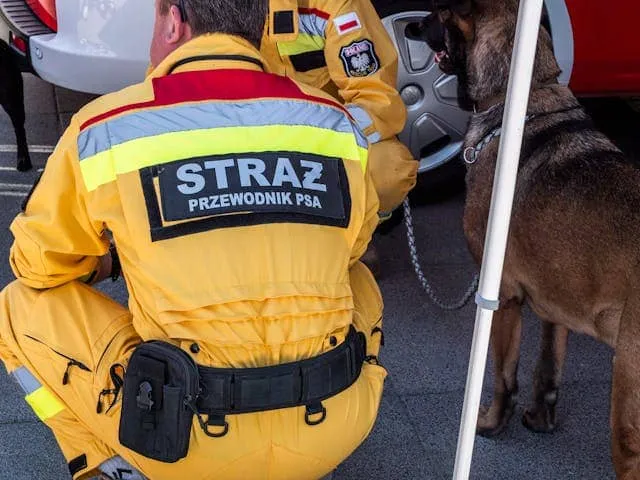
Strong Sense of Smell:
Exceptional scenting ability is the foundation of search and rescue work. Dogs with highly developed noses can track human scent over long distances and through challenging environments.
High Intelligence and Trainability:
Search and rescue dogs must quickly learn complex commands and problem-solving skills. Intelligent, eager-to-learn dogs respond well to advanced training and adapt easily to new scenarios.
Physical Endurance and Strength:
SAR missions can last for hours or even days. The best dogs have the stamina to work long shifts in rough terrain, extreme weather, and disaster zones.
Focus and Work Drive:
A strong motivation to work, search, and please their handler is essential. Search and rescue dogs must stay focused despite distractions, noise, or stressful surroundings.
Calm and Confident Temperament:
The ability to remain calm under pressure is critical. The best search and rescue dogs are confident, stable, and comfortable working around strangers, equipment, and emergency responders.
These key traits, combined with proper training and handler partnership, are what make certain dog breeds for search and rescue truly exceptional.
Top Dog Breeds for Search and Rescue
Certain dog breeds consistently excel in search and rescue work due to their intelligence, scenting ability, physical strength, and willingness to work. While individual training and temperament matter most, the following breeds are widely recognized for their success in search and rescue operations around the world.
German Shepherd
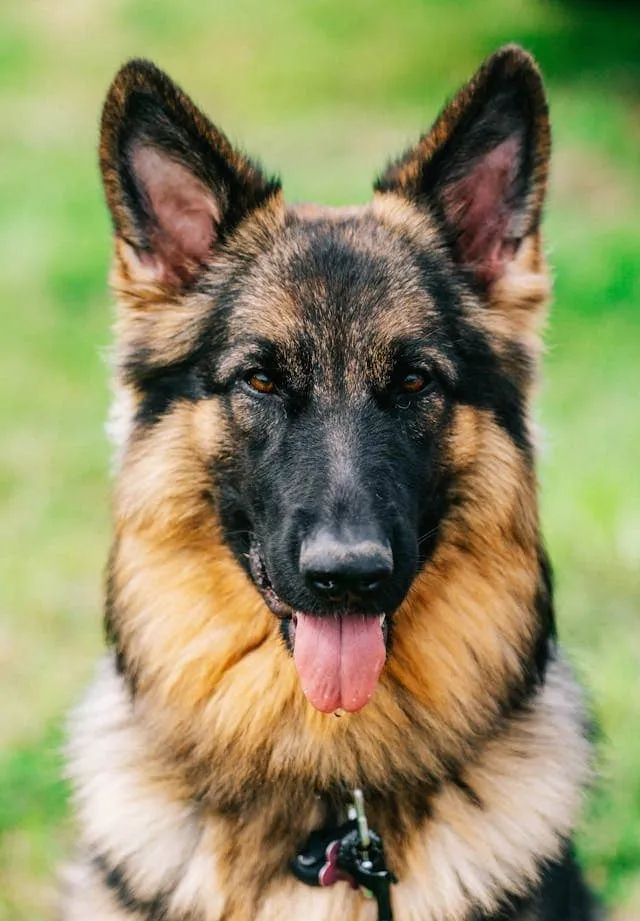
German Shepherds are one of the most popular search and rescue breeds. They are highly intelligent, obedient, and versatile, making them ideal for wilderness, urban disaster, and tracking missions.
Labrador Retriever
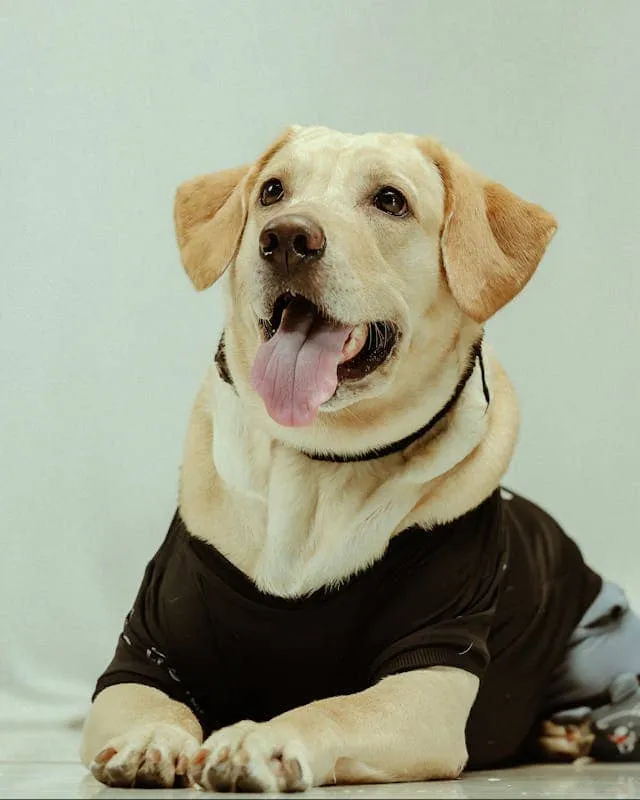
Labrador Retrievers are known for their strong sense of smell, friendly nature, and reliability. Their eagerness to work and ability to remain calm under pressure make them excellent SAR dogs, especially for detection and tracking tasks.
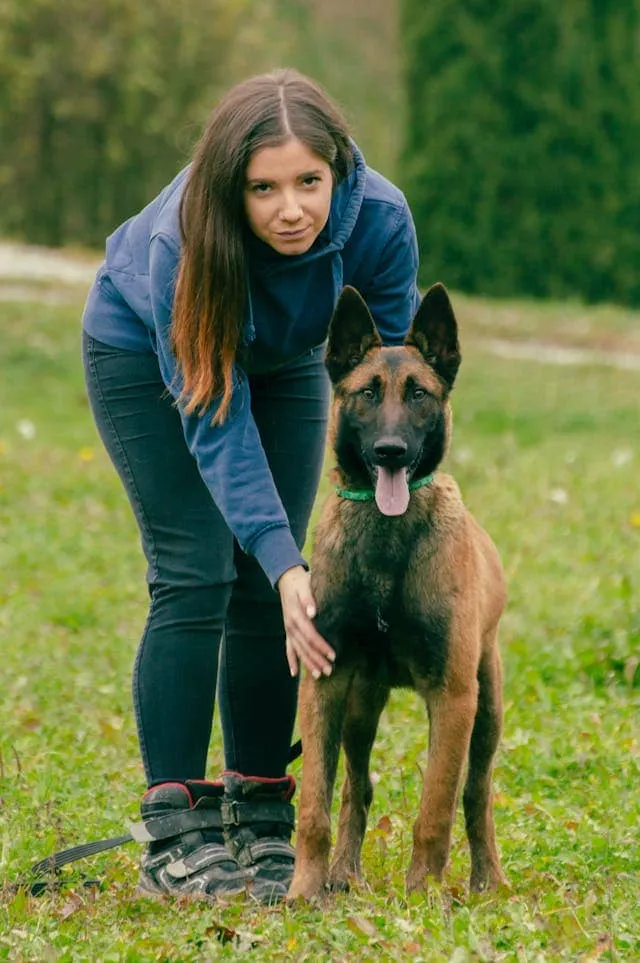
The Belgian Malinois is prized for its speed, endurance, and intense work drive. Frequently used by military and emergency teams, this breed excels in high-intensity search and rescue operations and disaster response.
Bloodhound
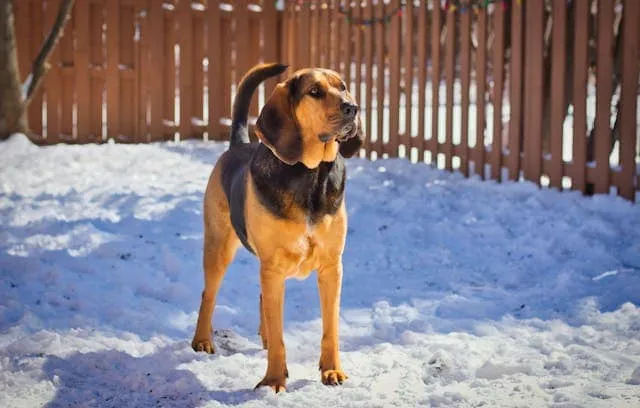
Bloodhounds possess one of the strongest scent-tracking abilities of any dog breed. They are unmatched in following human scent trails over long distances, making them invaluable for missing person searches.
Golden Retriever
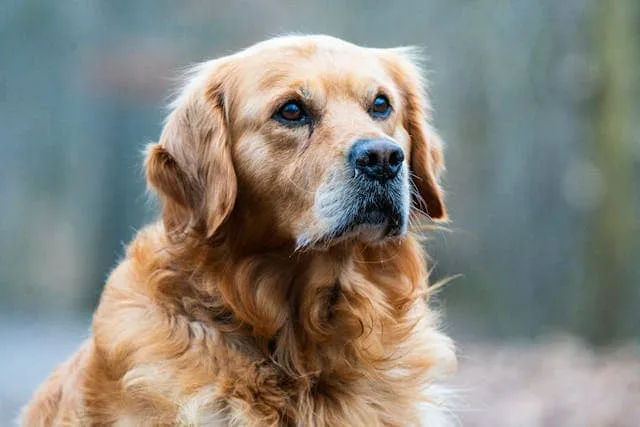
Golden Retrievers combine intelligence, patience, and a gentle temperament. Their adaptability and strong scenting skills make them effective in both search and rescue and therapy-based support roles.
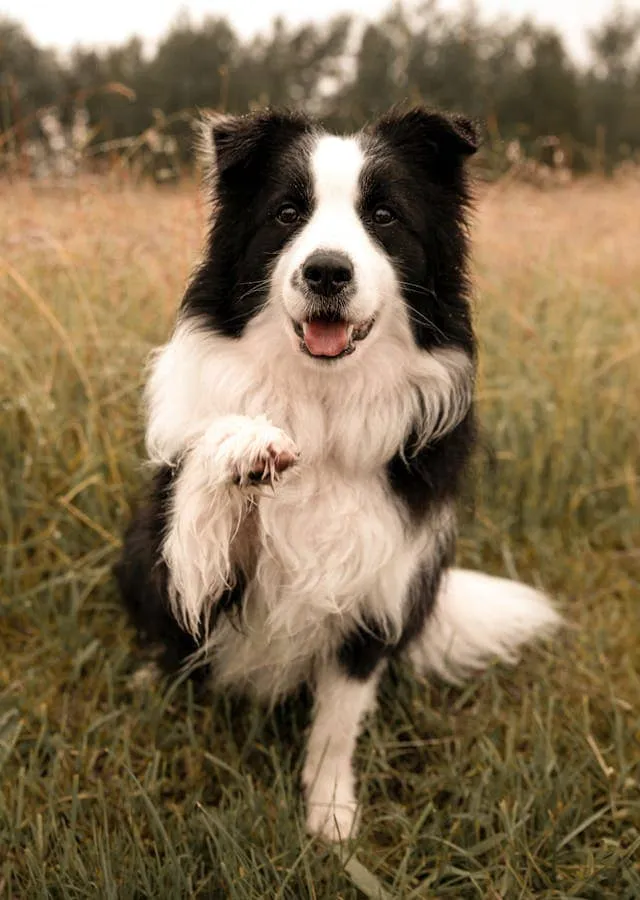
Border Collies are exceptionally intelligent and agile. Their focus and problem-solving skills allow them to perform well in search tasks that require precision, speed, and teamwork.
These dog breeds for search and rescue have proven their value time and again, saving lives through dedication, training, and an incredible bond with their handlers.
Best Dog Breeds for Different Search and Rescue Roles
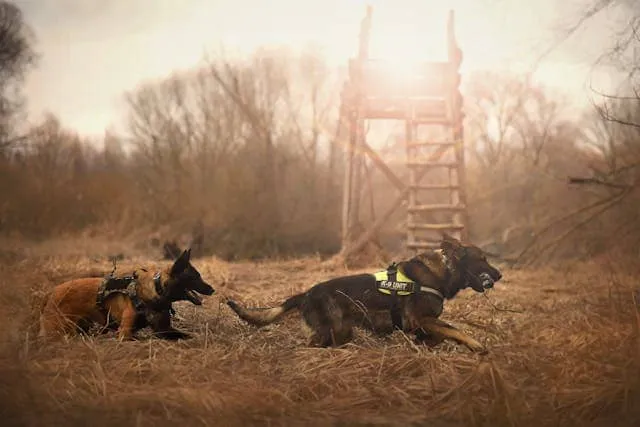
Search and rescue operations vary widely depending on the environment and mission type. Some dog breeds perform better in specific roles due to their natural abilities, physical build, and temperament. Below are the best dog breeds suited for different search and rescue tasks.
Wilderness Search and Rescue
Wilderness SAR dogs must cover large areas and navigate rough terrain. Breeds like German Shepherds, Labrador Retrievers, and Border Collies excel in these missions thanks to their endurance, intelligence, and strong scenting abilities.
Urban Disaster Search and Rescue
Urban SAR dogs work in collapsed buildings and disaster zones. Belgian Malinois and German Shepherds are ideal for this role due to their agility, confidence, and ability to work in noisy, unstable environments.
Avalanche Search and Rescue
Avalanche rescue requires dogs that can detect human scent buried deep under snow. Labrador Retrievers and Golden Retrievers are commonly used because of their strong noses, stamina, and calm nature in cold conditions.
Water Search and Rescue
Water SAR dogs locate drowning victims or bodies in rivers, lakes, and coastal areas. Labrador Retrievers and Newfoundlands are well-suited for this role, combining powerful swimming ability with excellent scent detection.
Human Remains Detection (HRD)
HRD dogs are trained to locate human remains in various environments. Breeds such as Bloodhounds, Labrador Retrievers, and German Shepherds are frequently chosen for their superior scent discrimination skills.
Selecting the right dog breed for search and rescue depends on the mission requirements, environment, and handler expertise, ensuring the best possible outcomes in lifesaving operations.
Training Requirements for Search and Rescue Dogs
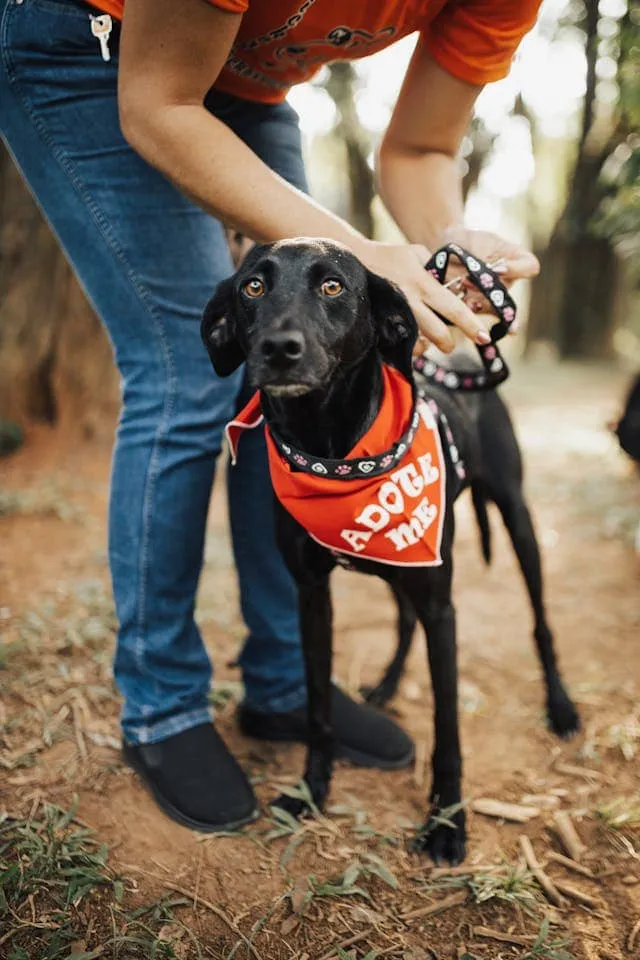
Training a search and rescue (SAR) dog is a long-term commitment that requires consistency, patience, and specialized techniques. Regardless of breed, every successful SAR dog must complete rigorous training to ensure reliability, safety, and effectiveness in real-life emergencies.
Basic Obedience Training
All search and rescue dogs must master basic commands such as sit, stay, recall, and heel. Strong obedience ensures the dog can be controlled in dangerous or unpredictable environments.
Scent Detection and Tracking Training
This is the core of search and rescue work. Dogs are trained to identify and follow human scent trails, air-scent, or locate specific odor sources depending on their role.
Physical Conditioning
Search and rescue dogs need excellent fitness levels. Training includes endurance exercises, agility work, and exposure to rough terrain to build strength and stamina.
Environmental and Social Exposure
SAR dogs must be comfortable around loud noises, crowds, machinery, unstable surfaces, and emergency responders. Controlled exposure helps build confidence and reduce stress during missions.
Advanced and Ongoing Training
Training does not end after certification. Regular practice, scenario-based drills, and re-certification are essential to maintain performance and readiness.
Proper training transforms capable dog breeds for search and rescue into dependable lifesaving partners who can perform under extreme conditions.
Factors to Consider Before Choosing a Search and Rescue Dog
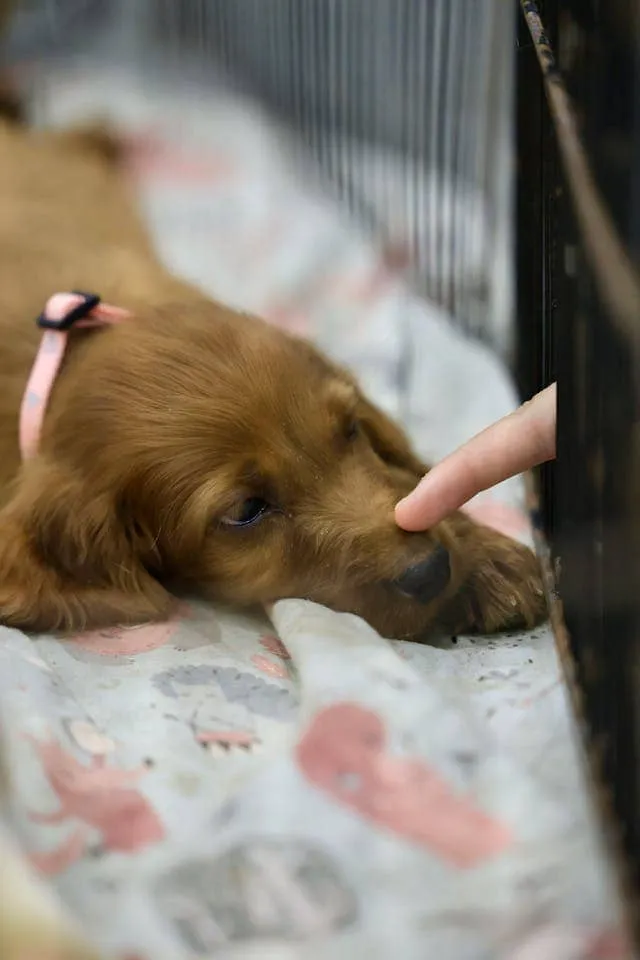
Selecting the right search and rescue (SAR) dog goes beyond choosing a popular breed. Several important factors determine whether a dog will succeed in this demanding role and form an effective partnership with its handler.
Breed Traits vs. Individual Ability
While certain dog breeds for search and rescue are well known, individual temperament, drive, and health matter more than breed alone. A motivated, confident dog with strong scent interest is essential.
Time and Training Commitment
Search and rescue work requires years of consistent training and regular practice. Handlers must be prepared to invest significant time in training, certification, and ongoing skill development.
Handler Experience and Lifestyle
A handler’s experience level plays a major role in a dog’s success. High-energy breeds may be challenging for beginners, while experienced handlers can manage intense working dogs more effectively.
Health, Size, and Physical Structure
SAR dogs must be physically fit and free from genetic health issues. Size and build should match the type of rescue work, whether navigating debris, hiking long distances, or swimming.
Temperament and Social Behavior
Search and rescue dogs must be confident, focused, and comfortable around people, animals, and unfamiliar environments. A stable temperament helps ensure reliable performance under stress.
Carefully considering these factors helps ensure the right match between dog, handler, and mission, increasing the chances of success in search and rescue operations.
Can Mixed-Breed Dogs Be Used for Search and Rescue?
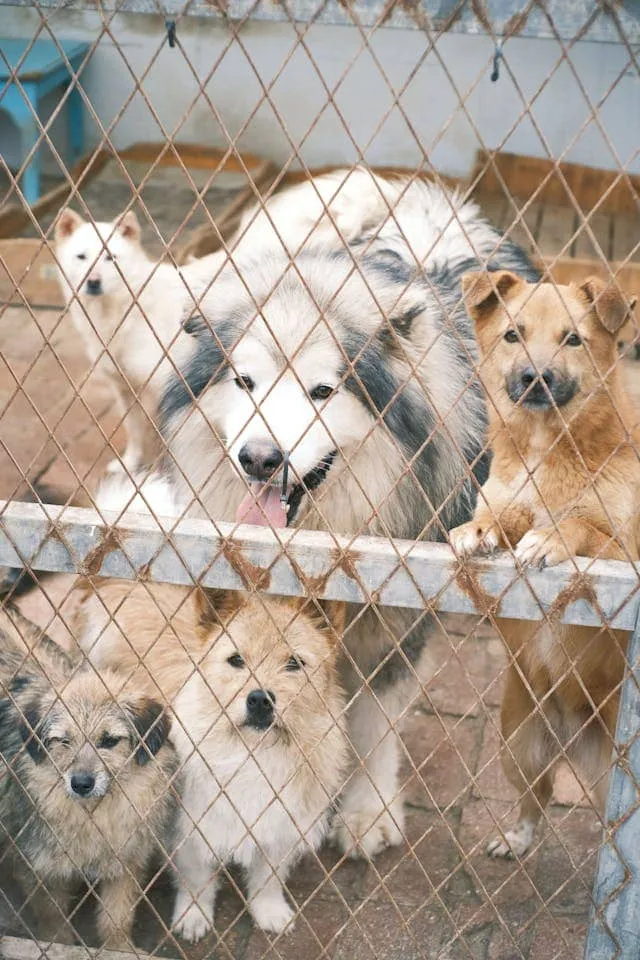
Yes, mixed-breed dogs can absolutely be used for search and rescue work. In many cases, their abilities, temperament, and trainability matter far more than their pedigree. Search and rescue teams focus on a dog’s scenting skills, motivation, endurance, and confidence rather than whether the dog is purebred.
Mixed-breed dogs often bring unique advantages, such as genetic diversity, strong health, and adaptable personalities. Many successful SAR dogs are rescues themselves, proving that with the right training and handler support, mixed breeds can perform just as effectively as well-known dog breeds for search and rescue.
What truly determines success is the individual dog’s drive to work, willingness to learn, and ability to stay focused in challenging environments. With proper training and certification, mixed-breed dogs can become highly reliable and lifesaving search and rescue partners.
Challenges of Search and Rescue Dog Work
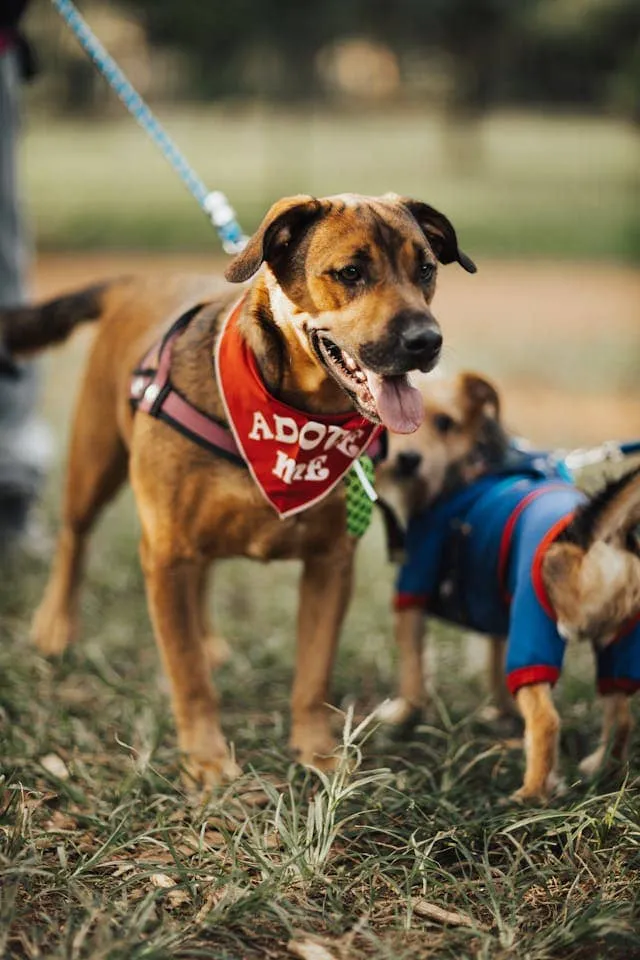
Search and rescue dog work is incredibly rewarding, but it also comes with significant challenges for both the dog and the handler. These missions often take place in unpredictable and demanding conditions where physical and mental limits are constantly tested.
Physical Demands and Risk of Injury
Search and rescue dogs work in rough terrain, disaster zones, extreme weather, and unstable environments. These conditions increase the risk of injuries, exhaustion, and long-term strain on joints and muscles.
Mental and Emotional Stress
SAR dogs must stay focused in high-pressure situations, often surrounded by noise, chaos, and human distress. Repeated exposure to intense environments can be mentally taxing and requires careful management and rest.
Time Commitment and Ongoing Training
Search and rescue work requires continuous training, regular certification, and frequent practice. Balancing this level of commitment with personal and professional responsibilities can be challenging for handlers.
Environmental Hazards
Hazards such as sharp debris, toxic substances, water currents, and wildlife pose constant risks during missions. Proper preparation and safety measures are essential to protect both dogs and handlers.
Despite these challenges, well-trained dog breeds for search and rescue continue to perform lifesaving work, driven by strong bonds with their handlers and a deep commitment to helping others.
Conclusion
Search and rescue dogs are extraordinary partners in lifesaving missions, combining intelligence, stamina, and an incredible sense of smell to locate missing or trapped individuals. While certain dog breeds for search and rescue—such as German Shepherds, Labrador Retrievers, Belgian Malinois, and Bloodhounds—are naturally suited for this work, individual temperament, drive, and proper training are equally important.
Choosing the right dog involves considering breed traits, physical ability, temperament, and the handler’s experience. With consistent training, dedication, and ongoing practice, both purebred and mixed-breed dogs can become highly effective search and rescue partners. Ultimately, the bond between dog and handler, coupled with rigorous preparation, is what makes these dogs true lifesaving heroes.
FAQs
What breed of dog is the best for search and rescue?
The best dog breeds for search and rescue include German Shepherds, Labrador Retrievers, Belgian Malinois, Bloodhounds, Golden Retrievers, and Border Collies due to their intelligence, scenting ability, endurance, and trainability.
What kind of dog do they use for search and rescue?
Search and rescue teams use dogs with strong scenting ability, intelligence, stamina, and focus. Common breeds include German Shepherds, Labrador Retrievers, Belgian Malinois, Bloodhounds, Golden Retrievers, and Border Collies, but well-trained mixed breeds can also perform successfully.
What breed of dog is best for mental health?
The best dog breeds for mental health support are calm, affectionate, and social, often used as therapy or emotional support dogs. Popular choices include:
Labrador Retriever – Friendly, gentle, and highly social.
Golden Retriever – Patient, loving, and intuitive to emotions.
Poodle – Intelligent, trainable, and low-shedding.
Cavalier King Charles Spaniel – Affectionate and comforting.
Yorkshire Terrier – Small, loyal, and emotionally responsive.
These breeds are known for providing companionship, reducing stress, and offering emotional comfort.