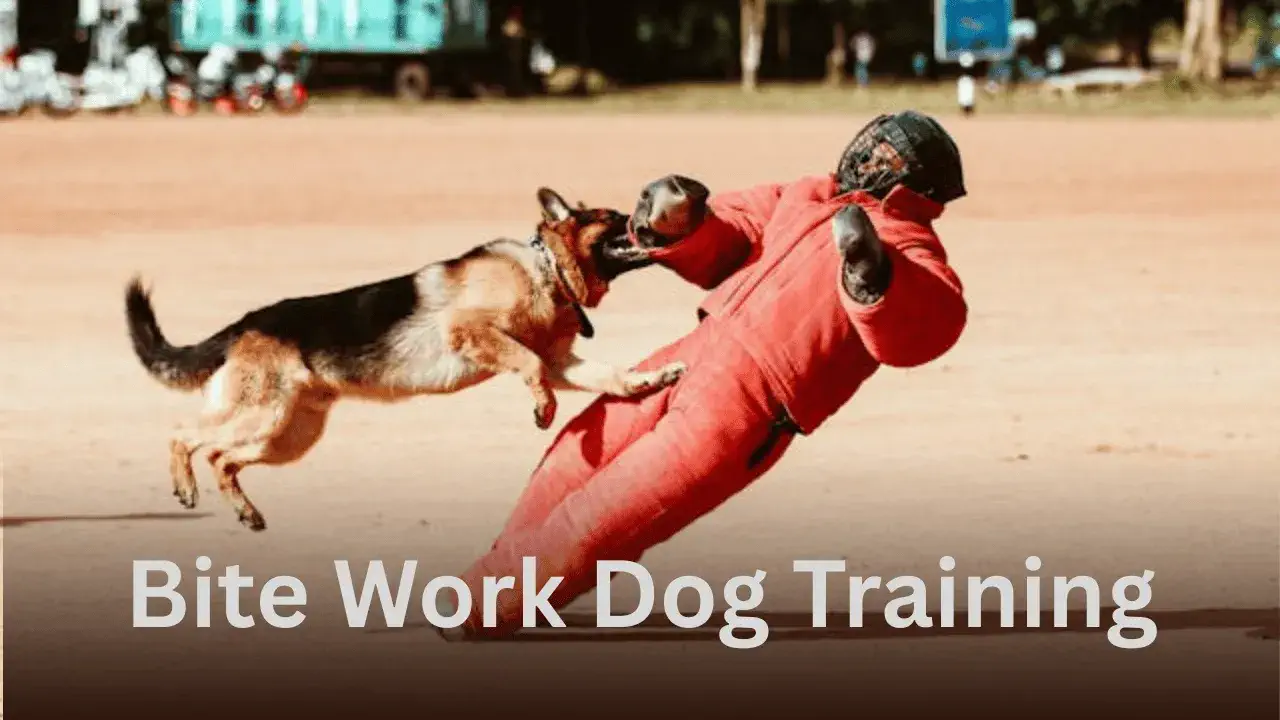
Bite work dog training is a specialized form of canine training used to develop controlled biting skills for protection, sport, and professional working roles. Commonly seen in police, military, and sport dog programs, bite work focuses on discipline, obedience, and precision—not aggression. When done correctly by experienced trainers, it helps channel a dog’s natural drive in a safe and structured way. However, bite work is not suitable for every dog or owner and requires a strong foundation in obedience and temperament assessment. This guide explains what bite work training involves, its benefits, risks, and responsible practices.
What Is Bite Work Dog Training?

Bite work dog training is a controlled and specialized training process that teaches dogs to bite, hold, and release on command in a safe and structured manner. It is primarily used for protection work, law enforcement, military service, and competitive dog sports such as IGP (Schutzhund), PSA, and Mondioring. Unlike aggressive behavior, bite work focuses on obedience, control, and precision, with dogs responding only to specific cues from their handler. The training relies on a dog’s natural prey or defense drive and is always conducted under professional supervision using proper equipment like bite sleeves or suits. When done correctly, bite work builds confidence, focus, and discipline without promoting uncontrolled aggression.
Purpose of Bite Work Training

The purpose of bite work training is to develop a dog’s ability to perform controlled biting tasks under strict command and supervision. It is commonly used in protection work, where dogs are trained to defend their handler or property without showing uncontrolled aggression. Bite work is also essential in police and military operations, helping dogs safely apprehend suspects and respond to threats. In sport dog training, such as IGP or PSA, bite work tests a dog’s obedience, drive, and precision. When done correctly, bite work training also helps channel natural instincts, improve confidence, and strengthen the bond between the dog and handler while maintaining safety and control.
Dog Breeds Suitable for Bite Work Training

Not all dogs are suitable for bite work training. Dogs chosen for this type of work must have strong nerves, high drive, confidence, intelligence, and a stable temperament. Physical strength and willingness to work closely with a handler are also essential traits.
Some of the most suitable dog breeds for bite work training include German Shepherds, known for their intelligence and versatility, Belgian Malinois, prized for their high energy and intense work drive, Dutch Shepherds, valued for focus and athleticism, and Rottweilers, respected for their power and loyalty. These breeds are commonly used in police, military, and sport protection programs.
While mixed-breed dogs can sometimes excel in bite work, professional temperament testing is crucial before training begins to ensure safety and suitability.
Is Bite Work Training Safe for Dogs?
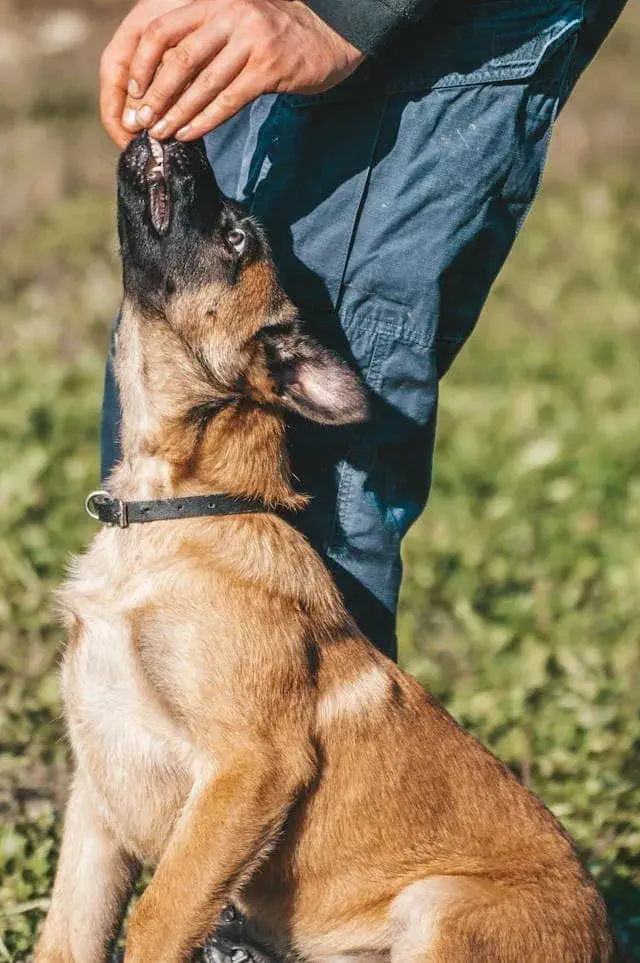
Bite work training can be safe for dogs when done correctly and under professional supervision. Proper training focuses on control, obedience, and clear communication, not aggression. Certified trainers use specialized equipment such as bite sleeves and protective suits to prevent injury and ensure the dog’s physical safety. Mental well-being is also a priority, as dogs are trained to engage and disengage on command without stress or confusion.
However, bite work can become dangerous if attempted without experience or proper guidance. Poor techniques may lead to fear, anxiety, or uncontrolled behavior. This is why bite work training should never be done casually at home and should always begin with a strong foundation in basic obedience and temperament assessment.
Age and Prerequisites for Bite Work Training

The ideal age to begin bite work training depends on the dog’s physical development and mental maturity. Most professional trainers introduce pre-bite foundations—such as play, tug work, and drive building—between 8 to 12 months of age. Actual bite work using sleeves or suits usually starts after 12–18 months, once the dog’s joints are developed and temperament is fully evaluated.
Before starting bite work, dogs must have strong basic obedience skills, including sit, stay, recall, and reliable release commands. A stable temperament, confidence, good nerve strength, and clear focus on the handler are essential prerequisites. Without these foundations, bite work training can be unsafe and ineffective.
Bite Work Training Methods
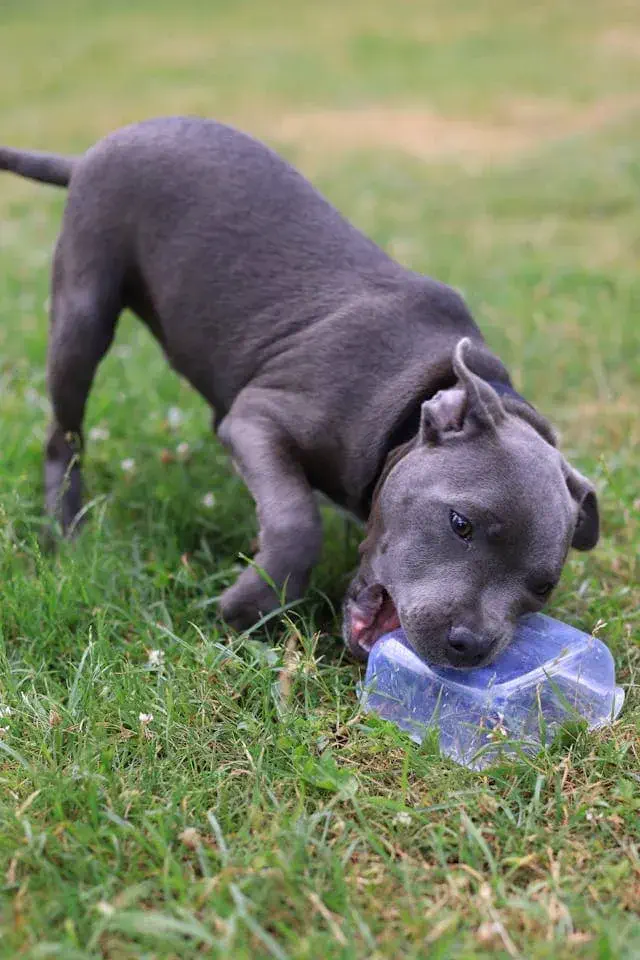
Bite work training uses structured methods that focus on control, precision, and safety rather than aggression. Trainers typically work with a dog’s prey drive or defense drive, depending on the training goal. Prey-driven methods use movement and play to encourage gripping, while defense-driven methods are introduced carefully and only with experienced dogs.
Specialized equipment such as bite tugs, bite sleeves, and full bite suits is used to protect both the dog and the helper. Training is reward-based, reinforcing correct behavior with praise or play. Equal emphasis is placed on bite release, obedience, and handler control, ensuring the dog responds instantly to commands. Proper methods always progress gradually and are handled by trained professionals to prevent stress or unsafe behavior.
Professional vs DIY Bite Work Training
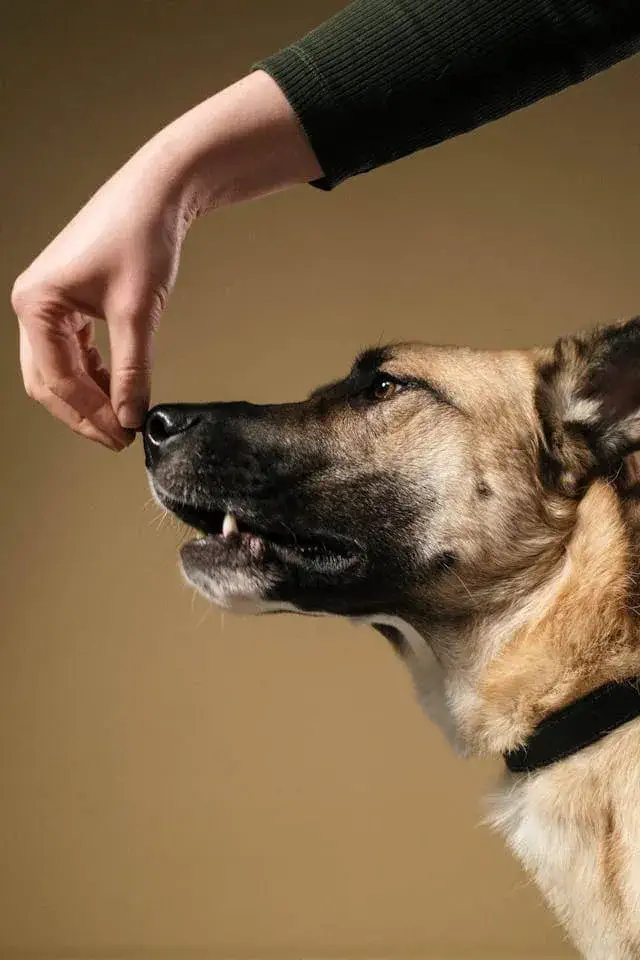
Bite work training should always be handled by professional, experienced trainers, as it involves high risk if done incorrectly. Professionals understand canine behavior, drive development, timing, and safety protocols, ensuring the dog learns controlled biting and reliable release commands. They also use proper equipment and structured training environments to prevent injuries and behavioral issues.
DIY bite work training at home is strongly discouraged. Without expert knowledge, owners may unintentionally encourage fear-based reactions or uncontrolled aggression, which can lead to serious safety and legal problems. Bite work is not basic obedience training and requires advanced skills, precise technique, and professional supervision. For the safety of the dog, handler, and others, working with a certified bite work trainer is essential.
Common Mistakes in Bite Work Dog Training
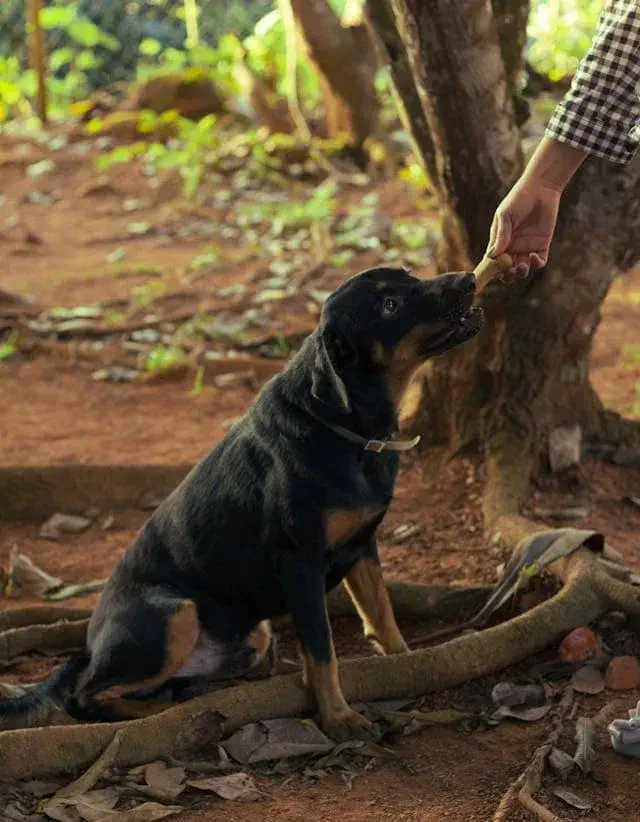
Even experienced dog owners can make critical errors in bite work training if they’re not careful. Some of the most common mistakes include:
- Skipping Obedience Foundations – Starting bite work without solid basic commands like sit, stay, recall, and release can lead to uncontrolled behavior.
- Encouraging Aggression – Confusing bite work with aggressive behavior can make dogs reactive or fearful. Bite work should always be controlled and command-driven.
- Inconsistent Commands – Using different cues or inconsistent reinforcement confuses the dog and slows progress.
- Training Too Early – Starting with heavy bite work before the dog’s joints and temperament are ready can cause physical injury or stress.
- Ignoring Safety Protocols – Failing to use proper bite sleeves, suits, or professional supervision increases the risk of accidents.
Avoiding these mistakes ensures that bite work remains safe, effective, and enjoyable for both dog and handler.
Benefits of Proper Bite Work Training

Proper bite work training offers numerous physical, mental, and behavioral benefits for dogs when done safely and under professional guidance:
- Improved Discipline and Obedience – Dogs learn to follow commands precisely, even in high-drive situations.
- Channeling Natural Drives – Bite work safely satisfies a dog’s prey or defense instincts without encouraging aggression.
- Enhanced Confidence – Structured training builds a dog’s self-assurance, helping them remain calm and focused in stressful situations.
- Stronger Handler-Dog Bond – Training relies on trust and communication, deepening the connection between dog and handler.
- Physical Fitness and Mental Stimulation – Bite work provides controlled exercise and challenges the dog’s mind, keeping them sharp and active.
When approached correctly, bite work is a safe way to develop a dog’s skills, drive, and overall well-being.
Legal and Ethical Considerations
Bite work training comes with important legal and ethical responsibilities that every handler must understand. Laws regarding protection dogs vary by country, state, and municipality, including regulations on liability, ownership, and public access. Using a dog for protection or bite work without proper training or certification can result in serious legal consequences.
Ethically, handlers must ensure that bite work is conducted safely, humanely, and under professional supervision. The training should never encourage uncontrolled aggression or harm to people or animals. Responsible trainers prioritize the dog’s welfare, mental health, and proper socialization, ensuring that the dog’s natural instincts are channeled safely and constructively.
How to Choose a Bite Work Dog Trainer

Selecting the right bite work dog trainer is crucial for your dog’s safety, skill development, and well-being. Here are key factors to consider:
- Certifications and Experience – Look for trainers with formal certifications in protection or sport dog training and years of hands-on experience.
- Training Philosophy – Choose trainers who focus on controlled, reward-based methods rather than fear or aggression.
- References and Track Record – Ask for references or success stories from previous clients to ensure credibility and results.
- Red Flags to Avoid – Beware of trainers who encourage uncontrolled aggression, skip obedience foundations, or lack proper safety protocols.
- Questions to Ask – Inquire about the training process, progression timeline, equipment used, and how they ensure safety for both dog and handler.
A qualified trainer ensures that bite work is safe, structured, and effective, maximizing your dog’s potential while minimizing risks.
Conclusion
Bite work dog training is a specialized, highly controlled form of training that develops a dog’s natural drive, discipline, and focus in a safe and structured way. When approached correctly, it enhances obedience, builds confidence, and strengthens the bond between dog and handler. However, bite work is not suitable for every dog or owner and carries risks if done improperly. Following proper age guidelines, obedience foundations, and working with a qualified, professional trainer ensures safety, effectiveness, and positive results. By respecting the dog’s mental and physical well-being, bite work can be a rewarding and responsible way to unlock a dog’s full potential.
FAQs
What is the best dog for bite work?
The best dogs for bite work are breeds with high drive, intelligence, confidence, and a stable temperament. German Shepherds, Belgian Malinois, Dutch Shepherds, and Rottweilers are the most commonly used breeds due to their strength, focus, and trainability. While some mixed breeds can also excel, professional temperament testing is essential before training to ensure safety and effectiveness. These dogs thrive in controlled bite work environments when trained by experienced professionals.
How to train a dog from biting?
Teach bite inhibition using gentle redirection, chew toys, and positive reinforcement. Reward calm behavior, avoid rough play, and use obedience commands like “leave it” or “drop it.” Early socialization and professional training help prevent uncontrolled biting.
Can any dog learn bite work?
Not every dog is suitable for bite work. Dogs need the right drive, temperament, confidence, and obedience to safely and effectively learn bite work. Professional evaluation is essential before training.